Solargraphy is a process that exposes black and white photographic paper in a pinhole camera over an extended time of days, weeks or months. The resulting negative is rendered in color and appears somewhat similar to a color film negative. The negative can then be scanned for further processing in image processing software like Photoshop. The process has much in common with the “lumen print” process which is well explained and illustrated on the Project Vedos web site and you can find other examples at the alternativephotography web site.
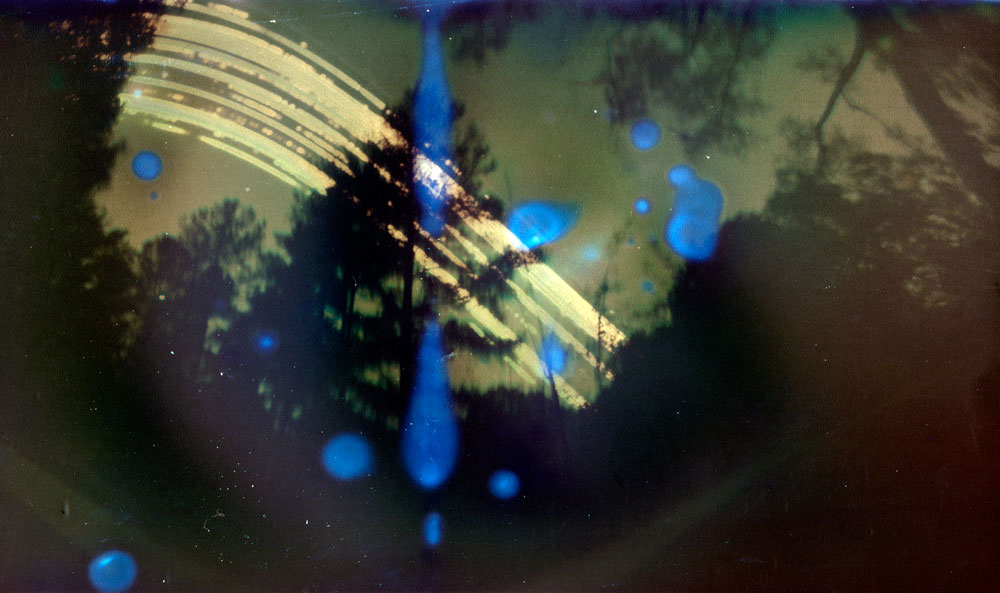
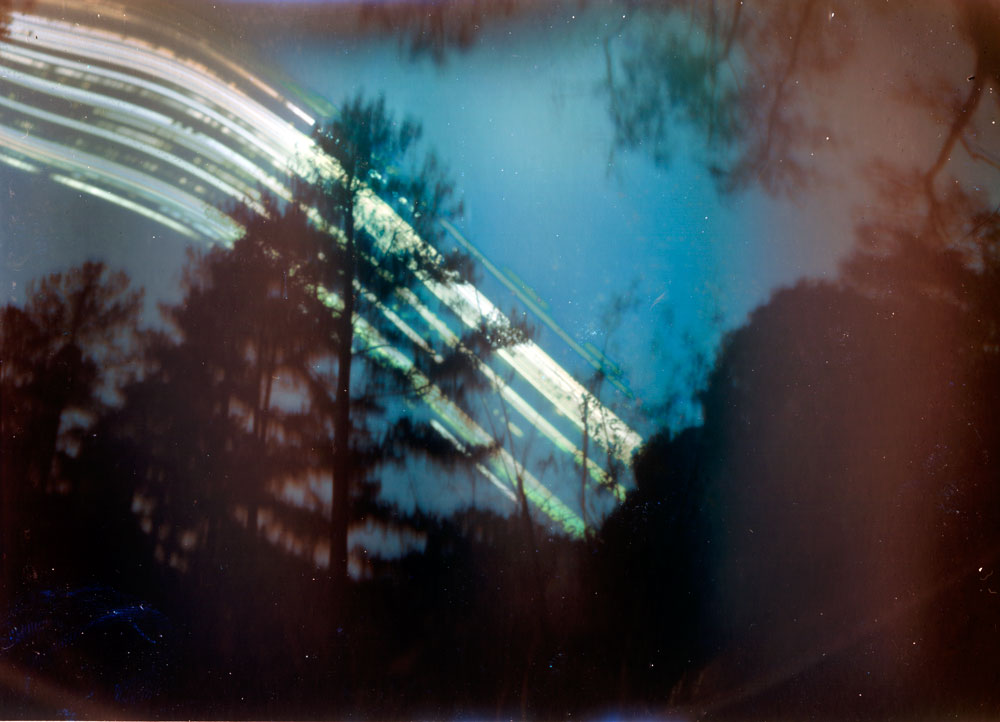
Over the years I have accumulated various photo papers and was curious to compare them when used to make solargraphs. I set out four cameras on September 18th pointed into roughly the same scene.
I set out four cameras today to compare the color results of different papers. Each camera is loaded with a different type of black and white photographic paper. I’ve noticed some differences with papers in the past. Last year I tried a similar experiment for a couple of weeks, but the scene was a thick forest and not much sun came through. These cameras are pointed into a scene with a lot of open sky. I’m hoping for better results this time.
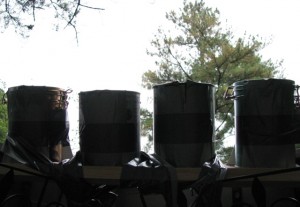
- Four cameras for solargraph paper test

The papers are:
- Ilford Multigrade IV RC Deluxe (MGD.44M), pearl finish
- Oriental Seagull F-2, glossy finish, pure black tone
- Foma Fomatone MG Classic, warm tone
- Kentmere Fineprint VC F.G. warmtone
And I have other papers to perhaps try out at another time.
I realize this isn’t a very scientific test. There are many factors that may affect the resulting colors of solargraphs. It would be good to compare factors like the paper tone (warm, cold, neutral), fiber-based vs. RC, graded paper vs. multi-grade, etc. Within a single manufacturer there may be great variation in results based on these and other factors. If anyone else has information to share along these lines, I would like to hear from you. Comment here or send me an email.
The results were pretty much as I expected, with no surprises. Warm tone papers produce richer colors than neutral papers. Since this test I have been acquiring a greater variety of paper on ebay.com and plan to test these out as well.
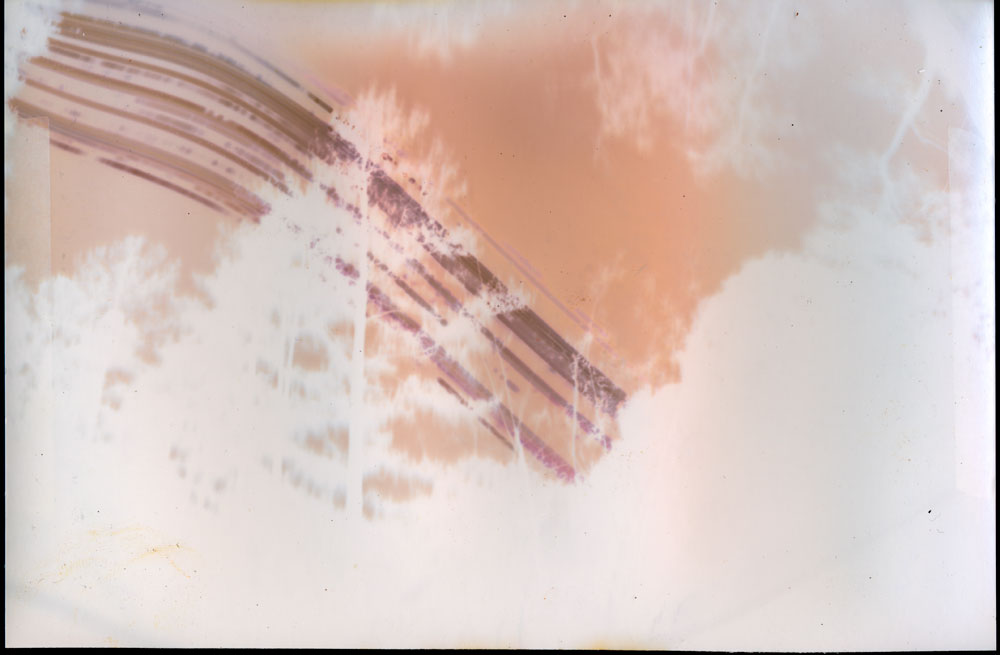
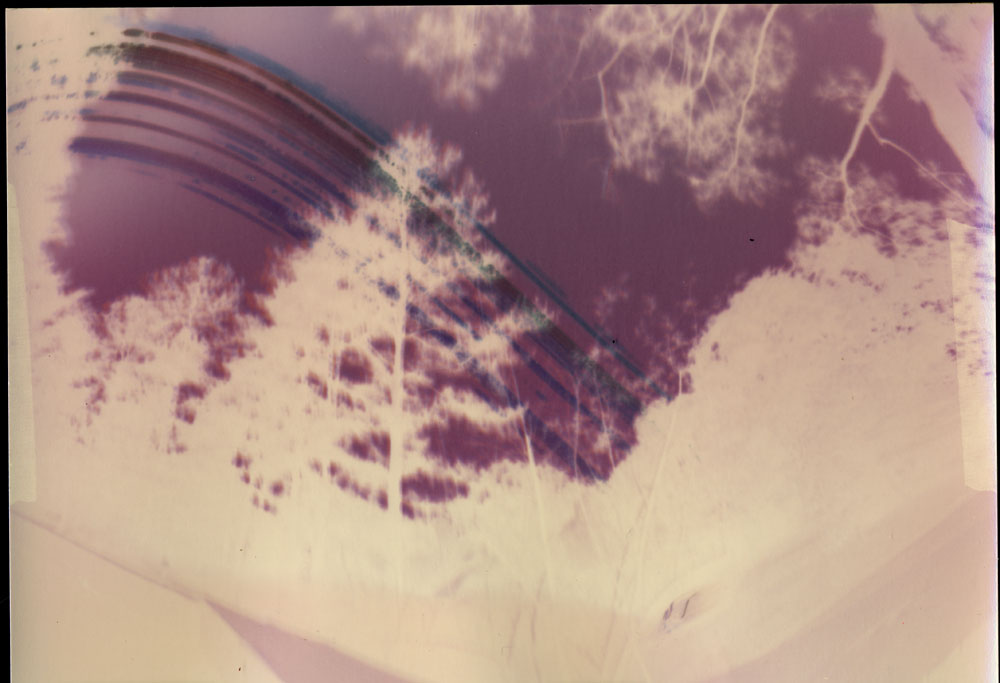
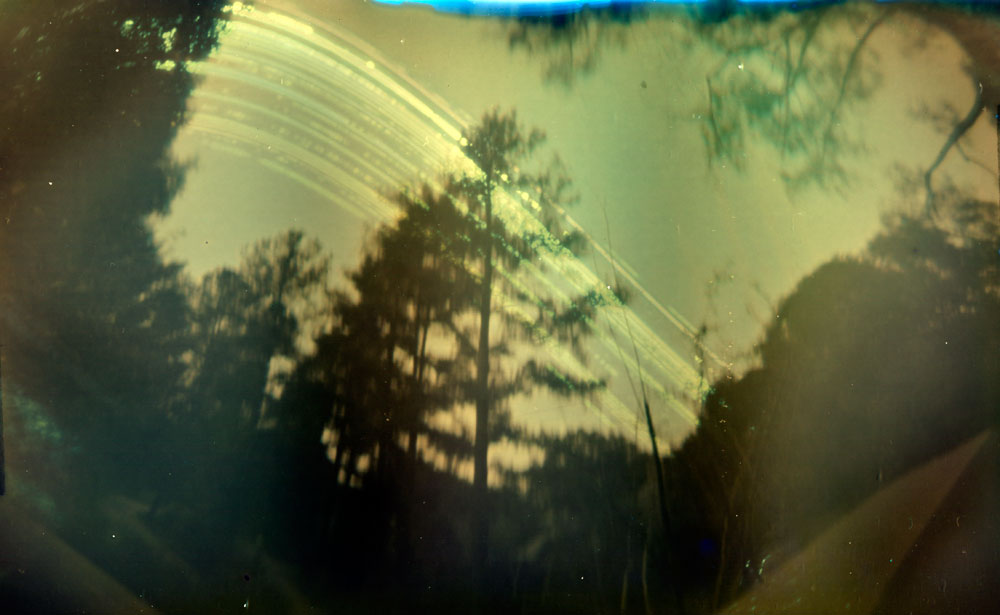
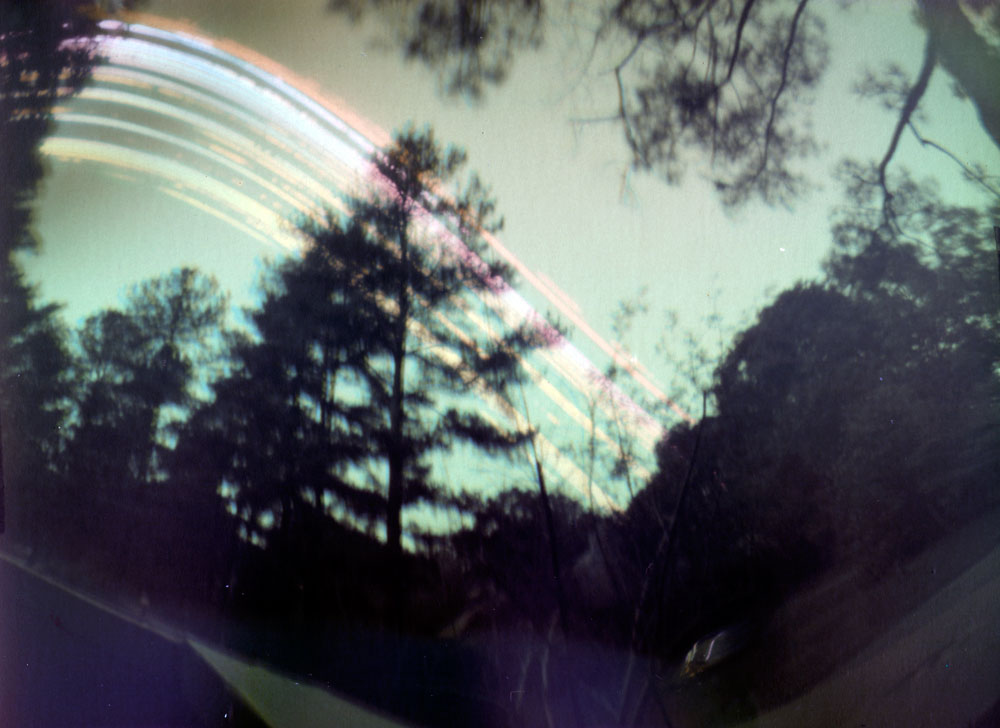
Here are the resulting negatives as they came out of my scanner. They have not been altered in any way other than to reduce their size for uploading to this site. Click on any image for a larger view.
-

- Oriental Seagull RC F2 (glossy) negative
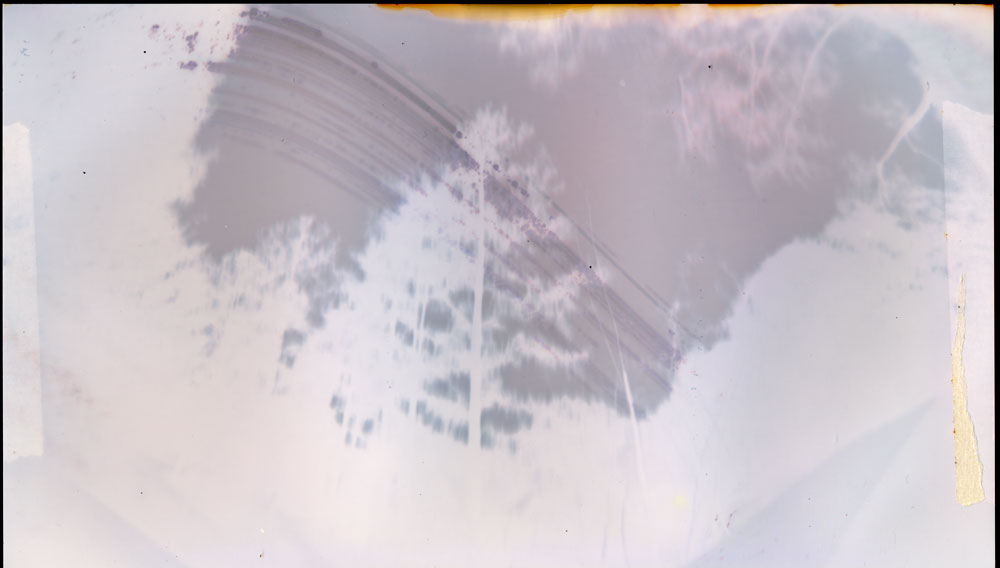
-

- Kentmere Fineprint VC FG Warmtone negative
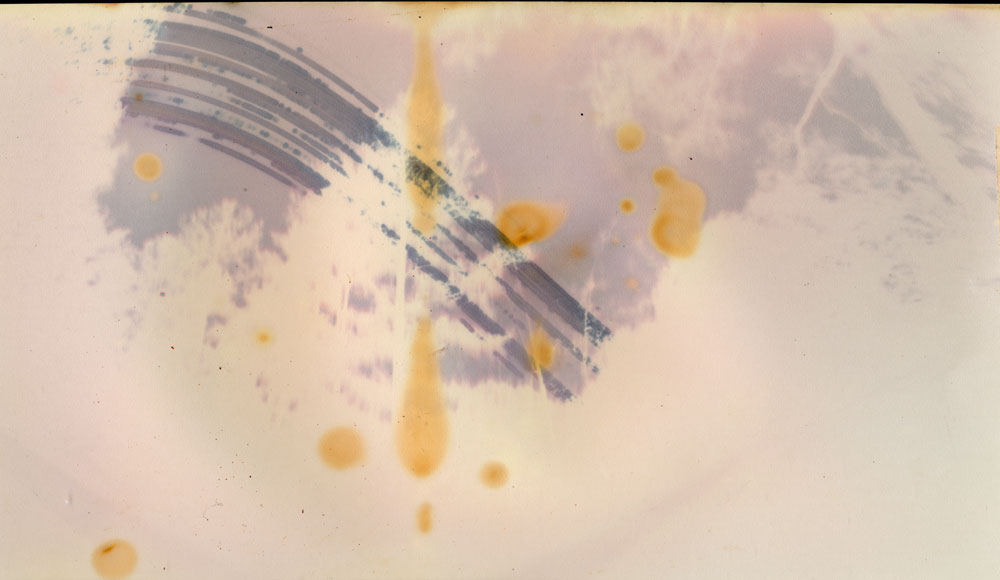
-
- Ilford MG IV RC MGD44M pearl negative
-

- Fomatone MG Classic (131 glossy) negative
-
- Oriental Seagull RC F2
-

- Kentmere Fineprint VC FG Warmtone
-
- Ilford MG IV RC MGD.44M pearl
-
- Foma Fomatone MG Classic
Paper specs: Fomatone, Kentmere, Oriental, Ilford (not found).
Tarja Trygg has sampled some additional papers for approximately the same number of days and during the same time period. I look forward to seeing her results when she posts them on her solargraphy web site.
What is the explanation for the color? Why is the ›discoloration‹ of the b/w paper ›faithful‹ to the natural color?
That’s a question I have also Tobias. I’m no chemist but I assume that each paper manufacturer has its own recipes for the various papers they make and that these differences account for the different colors that show up in this process. But, I have no idea why the colors come out similar to color reversal film. I suspect someone with good knowledge of photo chemistry might even be able to make a paper with even more brilliant colors. But, just a guess.
Have you ever experimented with film?
I was thinking to try this but use 4×5 film instead of paper, do you think it would yield the same results?, even though i may have to cut down the time considerably because the speed of the paper to the speed of the film are vastly different?
I have not tried film, although I’ve considered it. Chris McCaw has done long exposures on film, his site is http://www.chrismccaw.com/
is it possible to do this with color paper? i know color photo paper would make this more difficult in the installation process and in other ways be more of a hassle, but it is cheaper and i have an abundance of color photo paper. I am currently lacking in B&W photo paper D:
I tried using color paper last year, but when I scanned the final negative, it was totally fogged by the scanner light. I think color paper may be too sensitive to light to work. But, you might try it yourself, experiment with it and see if you can work it out. Let me know if you are able to use color paper.
Have you ever tried reversing the paper negatives onto color photo paper instead of scanning them digitally? I plan on experimenting with this process…
Alyssa, I have not tried that. I would be interested in your results.
Hello, I am having difficulty finding more information on the scanning process. Is that just a scanner, a regular one? Won’t the light from the scanner damage the outcome of the final product?
Someone was telling me that the photographic paper would need some sort of developing chemical, something. But I am finding out that with this you will not. Am I correct?
Thank you for your time, your post on this page got me interested in solargraphy!!
Joe from Texas
Hi Joe,
I have a Epson Perfection 3200 Photo scanner. The light from the scanner does fog or degrade the image a noticeable amount each time you scan. I usually scan only once. I have found that, for my scanner, if I scan at too high a resolution, the scanner will stop momentarily during the scan and this will result in a division or break in the scanned image file. So I usually scan at around 600 – 800 dpi for a 4×5 inch negative. I scan at night with as little ambient light in the room as possible. I cover the negative on the scanner with black felt to reduce the amount of light around the negative when I scan. With a better or faster scanner, it may be possible to scan at a higher resolution without too much fogging of the negative.
The paper needs no developing. Developer would turn it black. However, it is possible to fix the image by using a solution of sodium thiosulfate. Most commercial fixers will bleach out the image, so you should mix your own solution of this fixer. But this fixer will still remove some of the image in the negative. It also removes much of the color.
Hope this is useful information for you.
I really want to do my Science project on Solargraphy. Does anyone have any suggestions on independent and dependent variables? This is a ninth grade science project. I appreciate any comments etc. I am also taking a photography class so this sounds very exciting!
Thanks.
Hi Gregg,
forgive me if my english is not perfect. Can I ask you what steps to perform in photoshop to get out the color? Thank you